Data is the backbone of modern healthcare. Accurate data drives informed decision-making, accelerates disease response, and ensures efficient resource allocation. However, many healthcare systems still struggle with manual, paper-based data collection methods that are slow, costly, and error-prone.
Mobile Data Collection (MDC) has transformed health informatics by replacing paper forms with mobile devices, offline synchronization, and real-time cloud analytics.
What is Mobile Data Collection?
Mobile Data Collection (MDC) is the process of capturing, storing, and managing field data in real time using mobile devices like smartphones and tablets.
In global health, MDC platforms replace traditional paper surveys with digital forms capable of capturing complex data types, including GPS locations, photos, barcode scans, and digital signatures.
Key Benefits over Paper Systems
- Elimination of Data Entry Errors: Built-in form logic prevents invalid entries at the point of collection.
- Offline Functionality: Field workers can collect data in remote areas without internet access and sync when connectivity returns.
- Instant Availability: Centralized servers receive synchronized data immediately, allowing health authorities to respond faster to emerging trends.
How Does Mobile Data Collection Work?
1. Form Design: Creating Flexible and Dynamic Digital Forms
Survey authoring tools allow organizations to create customized digital forms capable of handling text, GPS coordinates, barcodes, images, and voice recordings.
- XLSForm: Excel-based standard used by ODK, KoboToolbox, and CommCare.
- ODK Build: Drag-and-drop form designer for ODK.
- Kobo Form Builder: Simplified visual form creator for KoboToolbox.
- SurveyCTO Designer: Enterprise-grade form building with advanced conditional logic.
2. Data Collection: Capturing Data on Mobile Devices
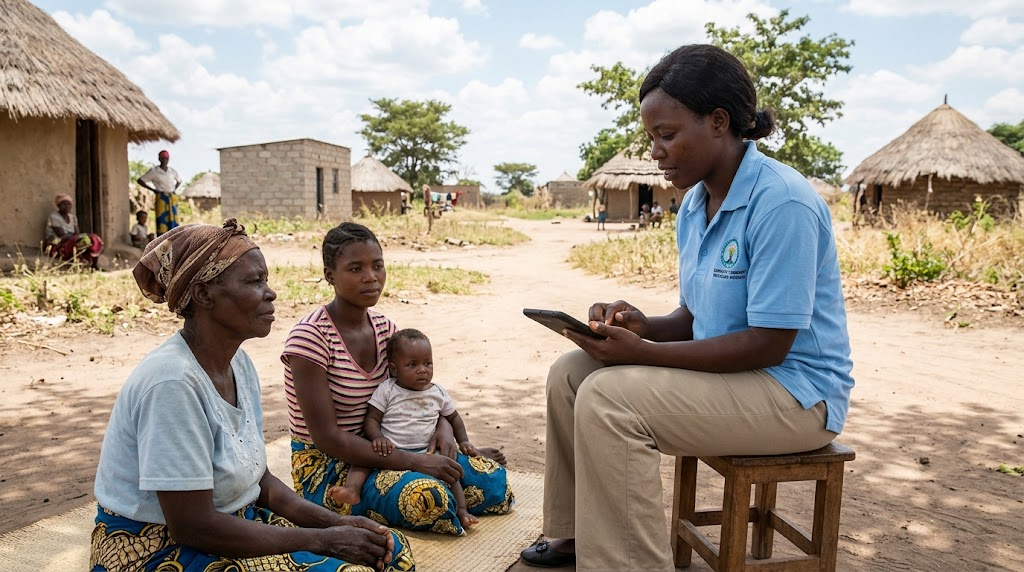
Field agents collect data on mobile devices supporting barcode scanning, GPS tracking, and digital signatures.
- ODK Collect: Open-source mobile app for offline and online data collection.
- KoboCollect: Mobile app optimized for KoboToolbox forms.
- SurveyCTO Collect: Secure, offline-first data collection app.
- CommCare: Mobile case management tool used by Dimagi in health projects.
3. Offline Data Collection: Capturing Data Without Internet Access
MDC platforms store records locally on the device when working off-grid, ensuring uninterrupted field operations.
- ODK Collect & KoboCollect: Store responses locally and automatically sync upon network connection.
- SurveyCTO & CommCare: Support offline case management and secure record storage.
4. Data Synchronization: Uploading & Syncing Data to the Cloud
Once connected, data is transmitted to centralized cloud or on-premise servers.
- ODK Central: Modern primary management server for ODK.
- KoboToolbox Servers: Secure cloud endpoints for Kobo forms.
- REDCap & AWS S3: Enterprise research and cloud storage backends.
5. Data Management: Cleaning, Processing, and Storing Data
Collected datasets are cleaned and prepared for analytics.
- Microsoft Excel & Google Sheets: Basic data filtering and quick inspections.
- Python & R: Advanced data cleaning, validation, and automated pipelines.
- Google BigQuery: Enterprise data warehousing.
6. Reporting & Action: Analyzing Data for Decision-Making
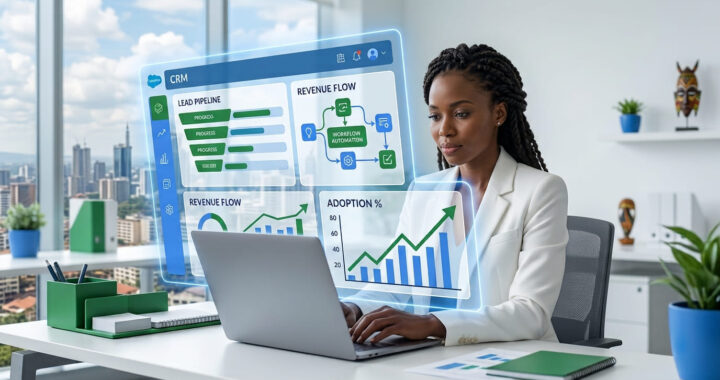
Organizations convert field data into dashboards and executive reports.
- Power BI & Tableau: Interactive business intelligence and visualization.
- Google Looker Studio: Cloud-based reporting dashboards.
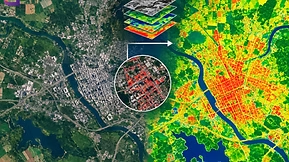
- QGIS: Geospatial mapping and spatial analysis.
How Mobile Data Collection is Revolutionizing Healthcare: Case Studies
1. ODK for Health Surveillance in Remote Areas (MSF – South Sudan)
- Context: Médecins Sans Frontières (MSF) provides emergency care in conflict-prone areas facing poor road networks and minimal communication infrastructure.
- Challenges Before: Manual paper forms were slow, error-prone, and difficult to transport from remote clinics.
- Benefits After: ODK enabled offline data capture. Once connected, records synced instantly, allowing MSF to track disease trends (cholera, malaria) and deploy medical supplies rapidly.
2. KoboToolbox in Malaria Baseline Survey (VPHA – Vietnam)
- Context: In 2021, the Vietnam Public Health Association evaluated malaria transmission across mountainous terrains during pandemic movement restrictions.
- Challenges Before: Paper forms caused delays, incomplete records, and high logistics costs.
- Benefits After: Enumerators captured GPS coordinates and field photos on tablets. Built-in validation rules prevented data entry errors and reduced overall survey operational costs.
3. Drones for Sample Tracking (VillageReach – Mozambique)
- Context: VillageReach and the Mozambican National Institute of Health deployed drones to transport tuberculosis and COVID-19 lab samples across rural Inhambane.
- Benefits After: Combined with Swoop Aero Data Trackers, drone telemetry provided real-time updates on sample movement while reducing diagnostic turnaround times.
4. mTrac SMS Tool for Health Data Tracking (UNICEF – Uganda)
- Context: Introduced in 2011, mTrac utilizes basic SMS technology to connect health workers in low-connectivity areas with the Ministry of Health.
- Benefits After: Allowed health workers to submit weekly disease surveillance reports, track essential drug stocks, and issue automated outbreak alerts via text message.
5. SurveyCTO in Family Planning Programs (PSI – Kenya)
- Context: Population Services International (PSI) partnered with the Bill & Melinda Gates Foundation to evaluate family planning product access in Kenya.
- Benefits After: Real-time data capture via SurveyCTO enabled faster program adjustments, improved data quality, and enhanced coordination with national health databases.
Key Benefits Summary
- Disease Surveillance: Real-time updates eliminate reporting delays and support rapid outbreak containment.
- Vaccination Campaigns: Digital tracking ensures precise coverage monitoring and identifies underserved populations quickly.
- Resource Optimization: Automated validation checks eliminate manual re-keying costs and minimize paper logistics.
Ready to Digitalize Your Health Data Pipelines?
Transitioning from paper to mobile data collection requires actionable, hands-on skills in XLSForms, server deployment, and survey logic. Join our Training Course in Mobile Data Collection Using SurveyCTO to master offline form authoring, real-time sync setups, and field survey deployment.